
BY Courtney Huckabay
Which generation spends the most on community leisure? White Hutchinson thought it might be beneficial to analyze which generation spends the largest share of their spending, and which generation spends the most per household member at different community leisure venues. Here are the results for spending in 2016.
Admission to sporting events in the local community
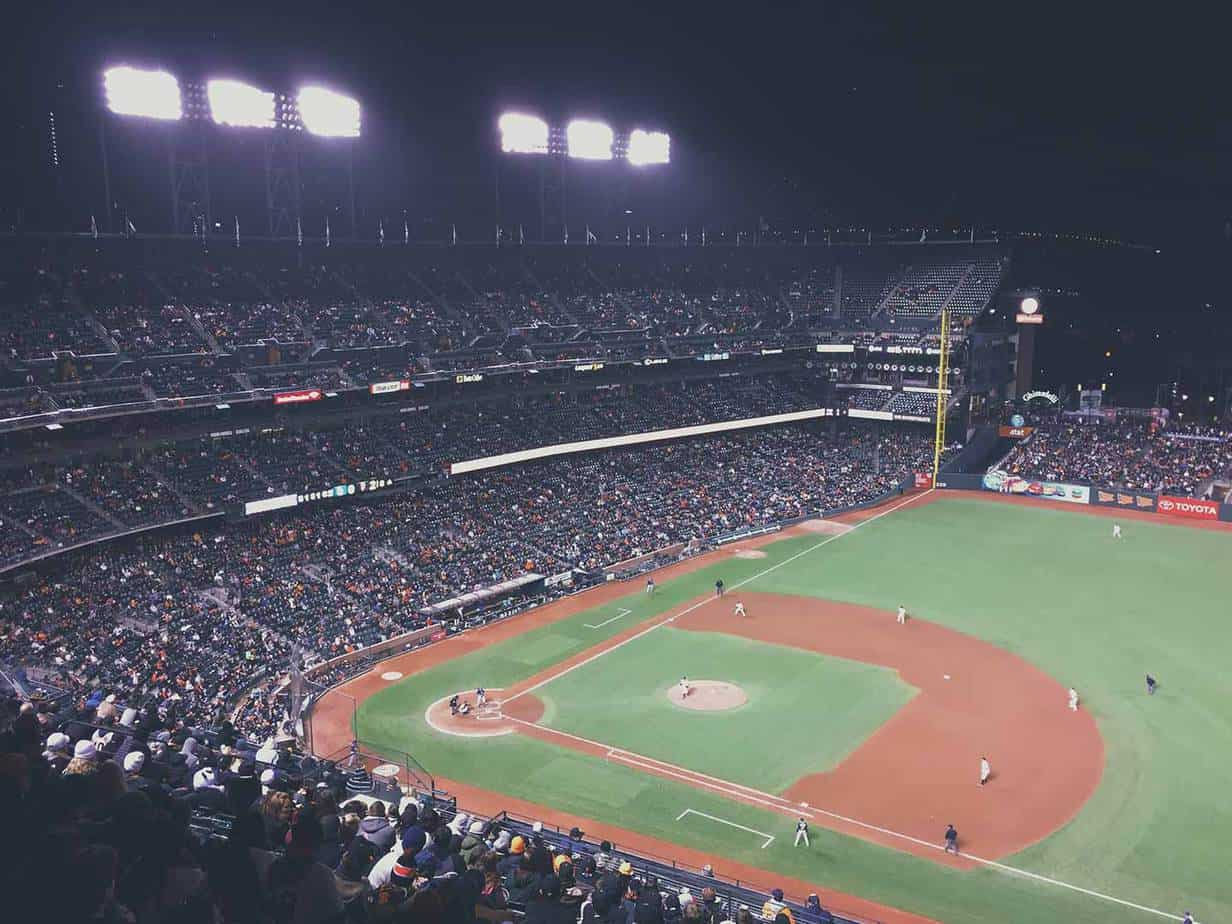
Baby Boomers devote the largest percentage of their spending to local sporting events, followed by Gen‑X, then the Greatest Generation and then Millennials. As a percent of all spending, Millennials only spend about half that of Baby Boomers. Baby Boomers are also the winners in dollar spending per household member. Millennials come in 4th at only one-third as much as Baby Boomers.
Local baseball teams can focus marketing efforts on Baby Boomers when they want to up-sell or market pricey merchandise and experiences. The newest AudienceSCAN study showed 27% of Americans enjoy watching MLB games, and 22% of them are aged 55 to 64 and 18% are 65 and older.
Food & drink at local restaurants
Millennials are the biggest spenders for food and drink in local restaurants in terms of share of all their spending. They devote 5.7% of all their spending to restaurants. However, in terms of dollar spending per person, Baby Boomers are the highest, spending 125% of what Millennials spend per household member. 2nd in dollar spending is Gen‑X and 3rd is the Greatest Generation. Millennials only come in 4th.
Baseball teams and events catering to Baseball Fans can highlight their food options and any gourmet offering to entice milliennials. Doing so in direct mail could catch their eyes. The latest AudienceSCAN survey found 38% of Baseball Fans took action after seeing ads/coupons in their mailboxes in the past 30 days.
Community-based entertainment
In terms of share of each generation's spending for entertainment in their local communities, Gen‑X spends the largest share, followed very closely by Millennials. In dollars per person, Baby Boomers spend the most, Gen‑X is 2nd, The Greatest Generation is 3rd and Millennials come in 4th.
Ad campaigns can appeal to Gen‑X with a focus on local, and a focus on any entertainment before, during or after the game! TV ads will win over 38% of Baseball Fans, the most recent AudienceSCAN data showed.
Implications for CLVs
Although many of the newer CLV models target Millennials, Gen‑X and Baby Boomers are bigger spenders on entertainment, sporting events and food and drink, more per person than Millennials. As the younger adult market slowly decreases as a percentage of the population, it will be wise for CLVs to evolve concepts to attract the older adult market as well.
AudienceSCAN data is available for your applications and dashboards through the SalesFuel API. Media companies and agencies can access AudienceSCAN data through the AudienceSCAN Reports in AdMall.