BY Kathy Crosett
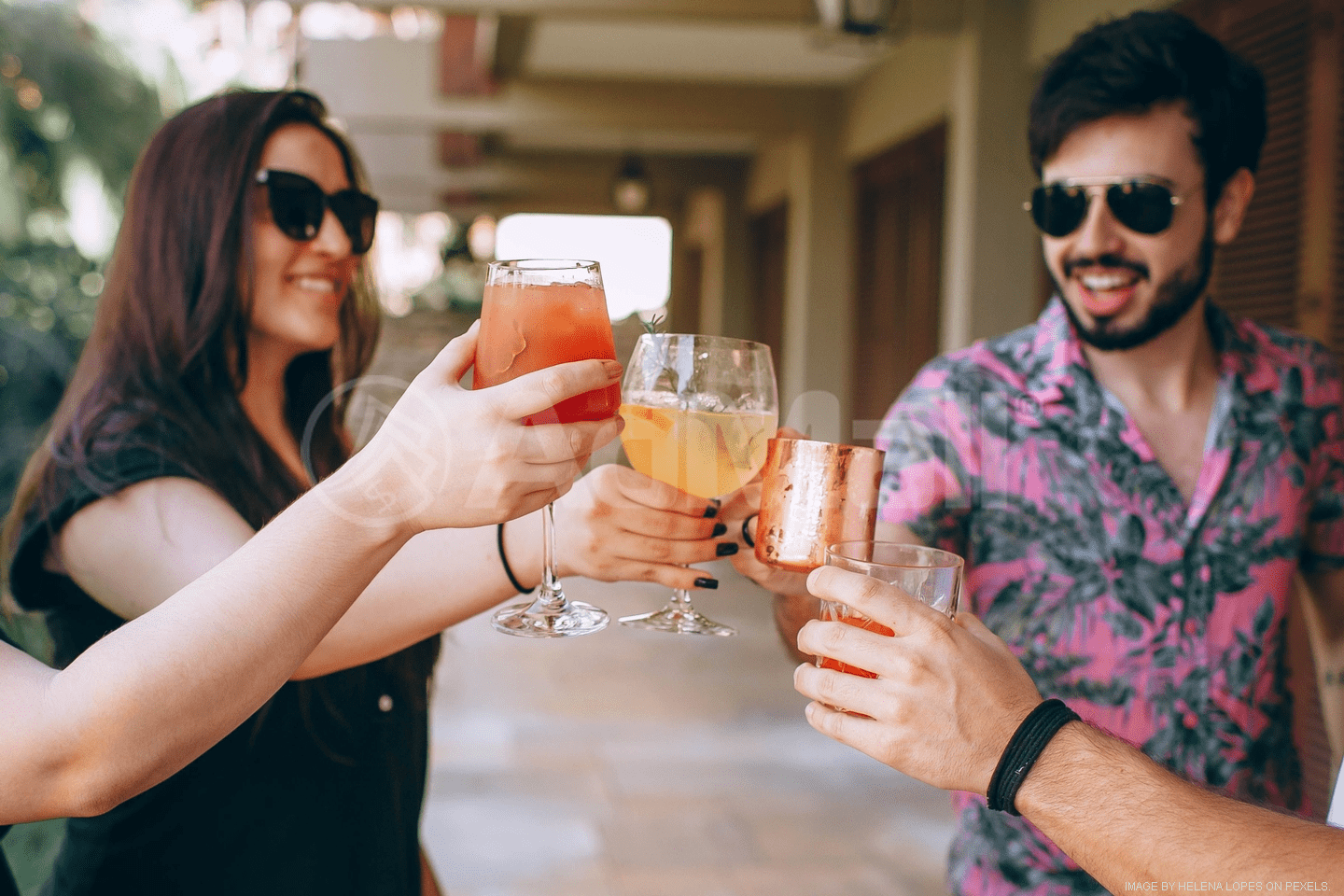
How are consumers’ changing drinking habits impacting your local adult beverages accounts? AudienceSCAN from AdMall projects a decline in the number of liquor store shoppers in the U
How has consumption of adult beverages changed in the U
U
For 36%, the beverage of choice remains beer. Around 32% of adults drink liquor and 30% enjoy wine.
How your accounts can adjust their advertising
With people drinking less, your accounts must adjust their approach to reach their target audiences. Southern Glazers Wine & Spirits, a distributor, revealed important industry trends to consider in its recent commercial intelligence release: 5 Ways to Win in Beverage Alcohol. Here are the details to share with your accounts regarding adult beverages.
Targeting younger consumers
Experts encourage marketers to target younger households. These consumers are still forming their purchase habits and are open to considering new brands. In particular, analysts point out that 35.6% of households are now millennials or Gen Zers. 46% of these consumers believe the best place to try out a new brand of adult beverage is at a bar or restaurant.
AudienceSCAN research shows that these consumers are 37% more likely than average U
Highlighting popular beverages
Younger consumers enjoy active lifestyles. Being on the go has increased the popularity of ready-
Promoting special events
Promoting adult beverages in connection with important events yields benefits. For example, party hosts still believe wine matters for special dinner occasions. Nice bottles of wine never go out of style for special events.
Convenience stores still account for nearly 33% of beer sales. But other retailers can expand their share of business by connecting their inventory to special events, like the big games that people gather to watch. In particular, regional craft beer marketers can create a reputation around unique ingredients and supporting local sports teams.
How to find the right advertising strategy
Finding the right marketing strategy for adult beverages can be challenging. The CEO of Boston Beer reports that, “…sophisticated, really quality advertising, 70% to 80% doesn’t work, 20% to 30% works,” said Jim Koch. He announced that his company spent heavily on advertising and saw revenue drop. As a result, the company will change what it has been doing.
Outshinery reports that smaller brands can target niche audiences through content creators. Highlighting the history of the brand and emphasizing partnerships that matter to younger consumers can drive sales. Often these partnerships will connect with social responsibility and sustainability.
Remind your accounts that affluent millennials comprise a valuable target audience. AudienceSCAN data indicates that nearly 15% of these consumers will switch brands to support an important cause/
Be ready to help your clients with the unique challenges of promoting adult beverages. Messaging must respect laws that limit age targeting, for example. And any direct-
Closing thoughts
Consumers continue to purchase adult beverages. They likely do not imbibe as much as they did in the past. But when they want to celebrate, they will spend on brands that resonate. With the right marketing campaigns, your accounts can be on the consideration list.
Image by Helena Lopes on Pexels.
Frequently Asked Questions
How can liquor stores and adult beverage retailers attract younger consumers?
Liquor stores and adult beverage retailers can attract younger consumers of legal drinking age by promoting new brands, ready-
What advertising strategies work best for liquor stores and alcohol brands?
Effective adult beverage advertising strategies include targeting niche audiences, promoting special occasions, highlighting local products and partnering with relevant content creators. Brands can also emphasize sustainability, charitable partnerships and their unique histories. Using consumer research from tools such as AudienceSCAN can help advertisers identify promising audiences and develop more relevant campaigns.
Why is cause-
Cause-
How can adult beverage retailers increase sales when consumers are drinking less?
Adult beverage retailers can increase sales opportunities by focusing on special occasions, premium products and consumer preferences rather than relying solely on purchase volume. Campaigns featuring wine for dinner parties, craft beer for sporting events and convenient ready-