BY Jessica Helinski
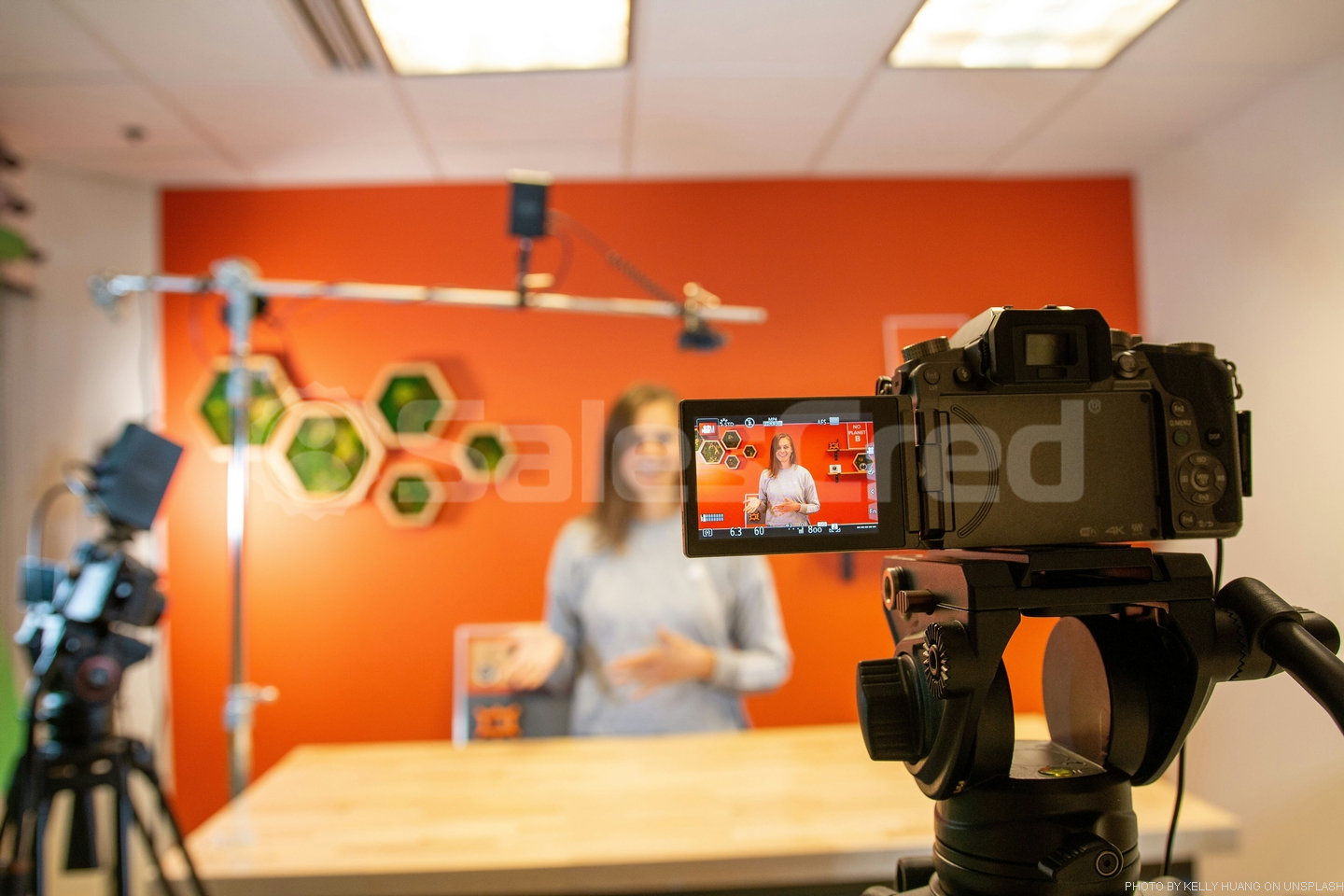
Are your virtual selling tactics leaving prospects cold? Digital outreaches, like emails and LinkedIn messages, are now a normal part of the sales process. But that doesn’t mean they’re hitting the mark.
As SalesFuel points out, “Like when selling face-to-face, a connection with a buyer is imperative.”
Sellers must be able to not only capture and maintain the buyer’s attention, but also connect in a way that develops rapport, respect and trust.
How can you improve your virtual selling?
Sellers must constantly ensure each and every outreach to a prospect is optimized. This is especially true for virtual communications, as they lack the personal touch of in-person engagement.
Emails that truly connect
Email is one of the most popular methods of outreach. But sellers are reporting issues: The Voice of the Sales Rep study revealed that 25% of B2B sellers say it’s getting harder to get emails returned.
And additional research from SalesFuel uncovers possible reasons why those emails aren’t getting responses. According to the most recent B2B BuyerSCAN, B2B buyers say they’ve received sales emails that look like they were written by AI (24%). And 17% say sales emails that appear like spammy bulk mail are deal-breakers.
To connect and avoid pushing sellers away, it’s clear that thoughtful, personalized messages are key.
“Personalized email isn’t anything new, but it’s just as important as ever,” writes Sujan Patel for SellingPower.
According to SalesFuel’s Tim Londergan, best practices for writing personalized, attention-getting emails include:
- Lead with a subject line that feels personal and relevant to the recipient.
- Focus on a clear benefit or offer that speaks directly to their needs or interests.
- Use personalization (like their name or context) to create an immediate connection.
- Keep subject lines concise (6–10 words) so the message is easy to grasp quickly.
- Write with the recipient in mind-make it feel like a one-to-one message, not mass outreach.
- Prioritize mobile readability by keeping key words short and impactful.
- Place the most meaningful, personalized words at the beginning to hook attention.
- Cut generic language-use specific, human phrasing that feels tailored to them.
“Being successful with emails is hard, it takes work, but it’s not impossible,” he adds.
Customized videos
It’s no secret that short-form videos are increasingly popular. And they can be highly successful tools when virtual selling.
“[Videos] can be much more effective than just sending text alone as it allows your lead to get to see you as a person, not just a piece of email that they might consider spam,” Patel explains.
But their success is related to how well they connect with viewers. Just like other methods, videos shouldn’t be a generic cookie-cutter message.
Instead, customize each video to every recipient (to save time, consider using a template for quick customization).
To get started, check out these tips for easy-to-create effective sales videos.
LinkedIn voice messages
If you haven’t heard of this outreach method, you’re likely not alone. As Patel explains, it’s a fairly new tool that can be adopted for virtual selling.
LinkedIn voice messaging helps create a more personal connection by letting recipients hear your tone and personality. It allows for more nuance than text, making communication feel more human and engaging.
Patel encourages sellers to play with this tool to see what works best for them.
“You may find that adding a voice message to a text message works wonders, or you may discover that voice messaging is a great way to communicate after your lead has already responded to your first text message…”
Adapt your strategy
As you integrate these methods into your virtual selling strategy, be mindful of their impact. Then, adjust accordingly. Keep track of which methods work best with each type of prospect. And for even more video best practices, consider these other tips.