BY Tim Londergan
Every B2B salesperson can master negotiation skills by blending preparation, empathy, and disciplined tactics throughout every deal. When done well, negotiations both improve outcomes and strengthen long-term customer relationships. To respect the process, treat each negotiation as a leadership exercise, not a one-time price contest.
Professors Smolinski and Kesting, writing for Harvard Business Review share findings of their research of what makes a great negotiator. To begin their conclusions, they start with two basic dimensions of every negotiation: creating value and building trust.
Take a fresh approach to negotiations
Changing your approach to negotiation may help. Toss out any notion of being a ‘hard’ or ‘soft’ negotiator. Research shows effective mediators balance assertiveness with empathy instead of choosing one extreme.
Essentially, great negotiators are not defined by style but by skill. To master negotiation skills, you should view the activity as a series of attainable talents that will multiply with deliberate practice. These experts blazed the trail that achieves better negotiated outcomes while fostering high-quality relationships.
Negotiating is an interpersonal process
Understanding the role of emotions is crucial, especially in cultivating long-term relationships. Effective negotiators claim value assertively while preserving a sense of fairness and respect. Even when facing highly competitive opponents, negotiators who manage to stay balanced tend to outperform.
Thorough preparation is a master negotiation skill
The more comprehensive your preparation, the better the outcome. Start with rigorous groundwork on interests, tradeoffs, and walk-away alternatives. Define your BATNA, target, and reservation point, and unselfishly note the buyer’s constraints and pressures.
Establish a MOCA (Matrix of Competitive Advantages). A MOCA displays value drivers of your product, validated by your customers, and shows where your competitive advantages lie. Understanding your value helps articulate your differentiation from competitors, creating a competitive edge to shift the negotiation away from price.
Clear and precise communication
Top negotiators communicate clearly, ask probing questions, and listen for meaning — not rebuttal points. During B2B conversations, summarize the customer’s goals to signal your deep understanding before presenting terms. This type of empathetic communication builds trust and makes tough concessions easier to discuss.
Trust is a strategic asset
The professors’ research directly links trust and relationship quality to stronger joint outcomes during negotiations. To master negotiation skills, you must be transparent about process, constraints, and timelines, and then reliably follow through. Remember, consistently honoring commitments turns the relationship itself into a form of bargaining power for future deals.
Negotiation tactics that bring success
Global business consultancy, Simon-Kucher, teaches master negotiation skills. Citing a 10% revenue increase for first-year clients, the 7‑minute article is well worth your time. Click on essential best practices for their negotiation suggestions, of which, here are two:
Battle cards
Battle cards include typical objections and counterarguments. These concise, strategic documents (or files) provide instant access to critical information. Consequently, you can respond quickly and knowledgeably to customer questions and maintain control of the discussion.
Post-negotiation reflection
Every conversation with your customer deserves a footnote. Remember, negotiations never end; clients may request changes or additional services during execution. Finally, be proactive and stay engaged to grasp opportunities for collaboration.
Again, negotiation excellence is not a matter of personality but of deliberately developed and continuously measured skills.
What great negotiators do differently
High-performing negotiators demonstrate strategic adaptability — the capacity to adjust between cooperative and competitive tactics as conditions evolve. Negotiation excellence is a leadership discipline — one that can be measured, taught, and scaled across teams.
For leaders and their organizations, the message is clear: to master negotiation skills you must recognize the structure of a negotiation and apply the right tactics at the right time.
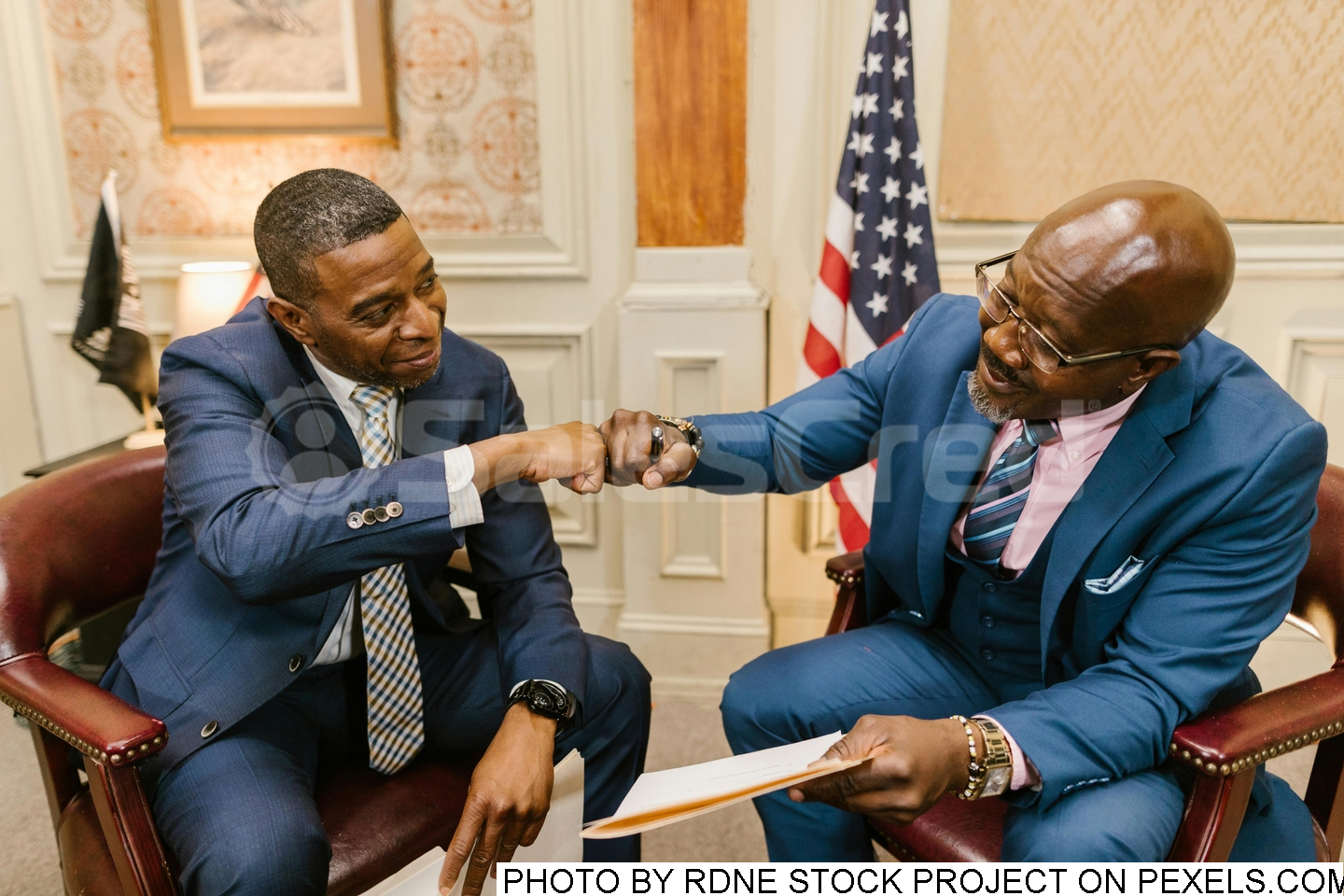
Photo by RDNE Stock project on Pexels.com.