BY Kathy Crosett
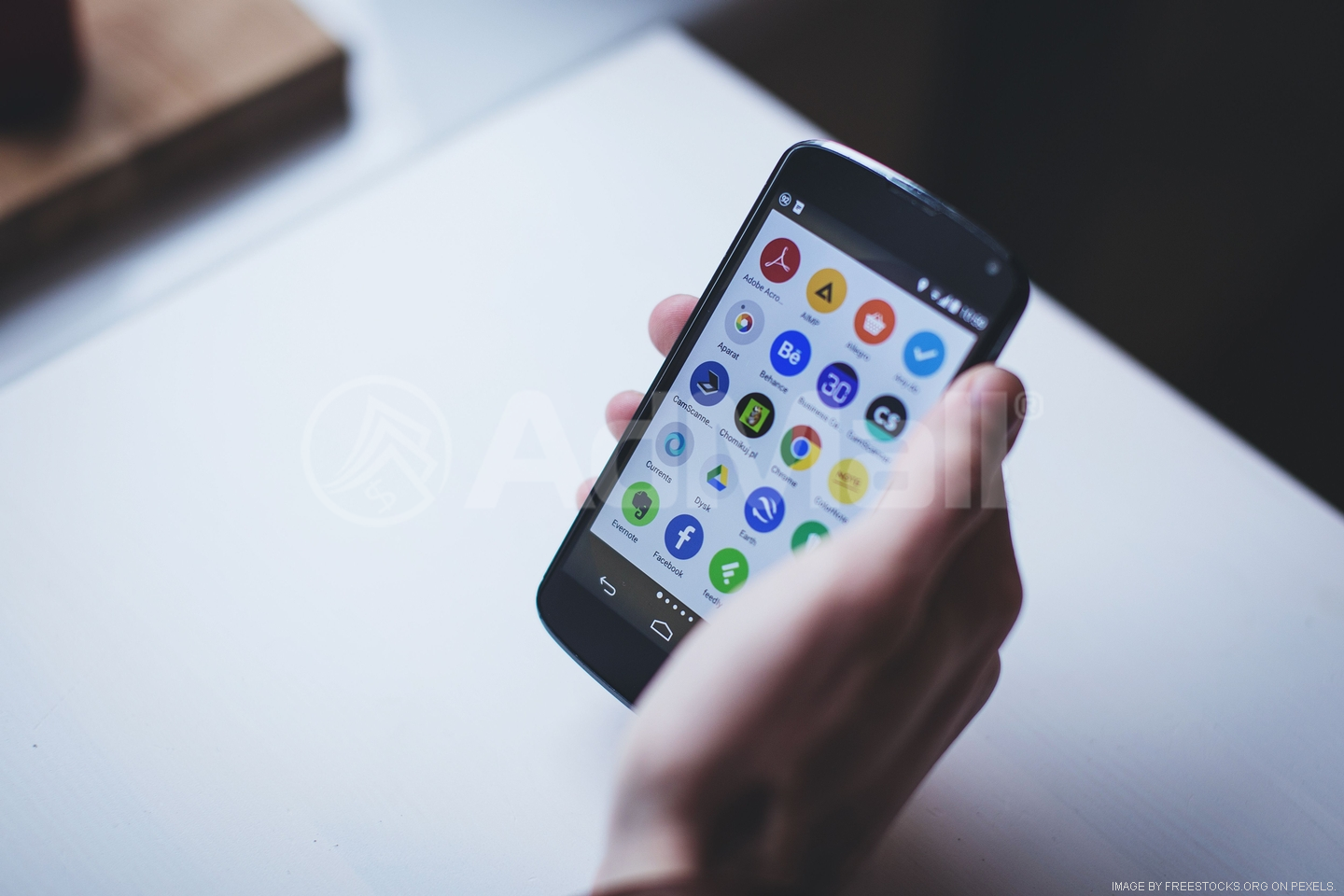
How big is the mobile in-app advertising market? E‑marketer data indicates it will be worth $235B in 2027. Marketers have good reason to spend money on in-app advertising. Nearly 37% of U.S. adults have responded to these ads in the past month, reports AudienceSCAN. Because of this interest, media companies, like publishers, can generate significant revenue.
How are apps delivering results for media companies?
The most recent State of Media Sales survey indicates that 10% of reps report mobile ad sales generate the biggest revenue and commission for them. And around 9% of sales managers report this activity is among the most profitable for the company. Some of these sales come from in-app activity.
Media companies, publishers in particular, are finding that apps can be lucrative. And Pugpig research, based on media publishers, reveals that around 37% of digital revenue comes from readers while 36% comes from ads.
Pugpig research shows that 10% of publishers with apps have spent more on marketing and promotion to attract subscribers. They are committed to investing in apps as they provide an advantage over the mobile web, especially if the apps provide value to subscribers.
Subscriber advantages range from quick access to content to customized experiences.
How are publishers reaching new audiences?
App providers are emphasizing push notifications (67%) and new formats, like live feeds, (62%) to expand their audiences. They are also updating the user interface to encourage readers and subscribers to increase their engagement. Some of the interface updates, 25%, include user-driven personalization options. Once users subscribe, app publishers can also optimize for advertising.
Publishers are also upgrading content. Higher user engagement is linked to news (30%), puzzles/games (18%) and digital editions of published reports.
The popular micro-drama trend may also benefit media-related app publishers. Serialized content, especially the details about a local crime investigation that local residents are following, will attract viewers and subscribers. Selling ad space to local accounts who want to reach these consumers will boost revenue.
How to decide on the level of in-app advertising
Analysts emphasize that ads served inside a publisher’s app can build a strong business at a time when AI has the market in a turmoil. In an app owned by a publisher, users spend more time checking out the content and the ads.
Types of in-app advertising
Digital applied data indicates higher metrics such as conversion rates, order values and session duration for in-app ads compared to mobile web ads. But app users need to see engaging ads.
Interactive ad formats are increasingly important. Here are a few ad details that matter in mobile apps:
- Playable ads — This could be a mini version of an app which the viewer then subscribes to
- Rich media — Includes video or animation to encourage consumers to engage.
- End cards — The final screen in the ad includes a CTA button to encourage consumers to take the next step.
- Rewarded — The viewer watches the ad to get to what they want.
While some publishers are selling static banner ad space, short-form video rules. Industry experts encourage publishers to incorporate video ads with video content.
What are the challenges of serving ads in a mobile app
App publishers want to expand the ads being served, but they face challenges. First, they have to balance the volume of ads against the content. They don’t want to risk losing subscribers.
They also have to consider price. As marketers consider in-app advertising investment, they’ll want to know about costs. They’ll pay more for rewarded ads. They cost as much as $40 per CPM for “competitive gaming niches.” Video interstitials can cost up to $13.50 per CPM, much higher price than static display ads.
And then there are the technical challenges of getting the right ads service to the right audiences. Pugpig reports, “Apps still operate within a narrower advertising technology and partner ecosystem than the web.” As the market grows, advertisers are changing tactics. Analysts say that many marketers are moving from their “walled gardens” to independent mobile ad networks. App publishers still need a way to connect with advertisers. Much of the advertising happens programmatically.
But some media companies directly sell in-app ads to local accounts. To do so, they need access to the same information they use to sell other media formats — audience data.
The Value of Audience Targeting Data
There’s good reason to invest resources to reach app users. Around 37% of U.S. adults have responded to ads in this environment in the past month, reported AudienceSCAN. Your accounts should know that 18% of these consumers say that ads on their mobile apps are useful.
Local advertisers can reach these consumers by advertising in local news apps. For example, 14% of these consumers are planning to look for a new dentist this year and the same percentage will be looking for a new gym.
Conclusion
Publishers are investing in their apps and looking for marketers to purchase mobile ad space along with digital and traditional media space. Access to an audience intelligence platform, such as AudienceSCAN by AdMall, can improve targeting and ROI.
Image by freestocks.org on Pexels.