BY Jessica Helinski
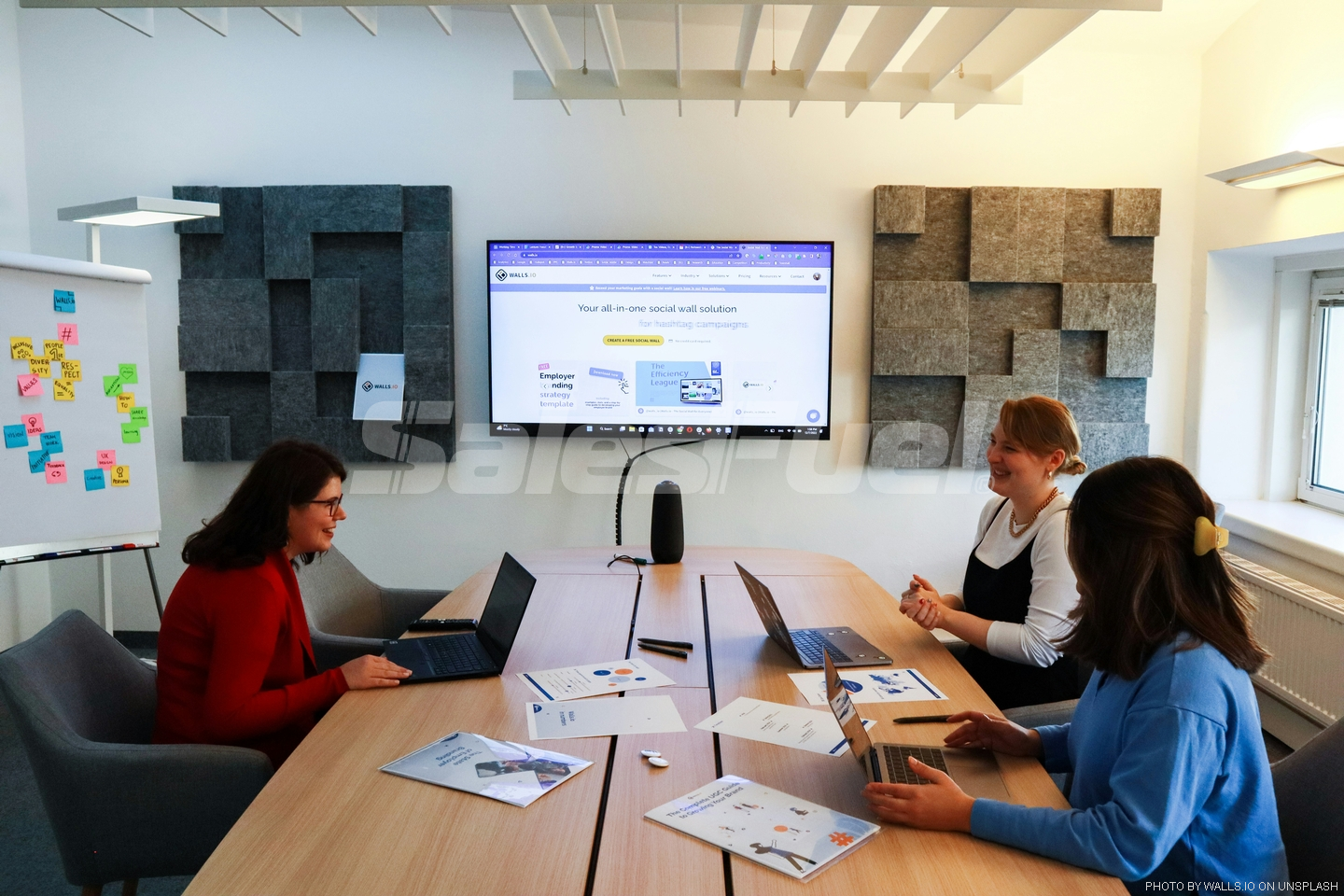
Are you making the most of sales demos to win over prospects? Today’s buyers value these demonstrations. 37% of B2B buyers want to see a demo during a first call, according to SalesFuel’s B2B BuyerSCAN. The study also found that 31% prefer to have a seller demo their offering before purchasing.
“Whether delivered online, over the phone or in-person, product demos can be a powerful tool,” says Denise Gibson, director of AdMall Sales.
And they’re especially valuable today, as Maxim Dsouza adds in an article for Eubrics.
He explains that decision-makers care less about features and more about whether a solution fits their goals, integrates smoothly with their systems, and delivers measurable results.
This is where a sales demo can make an impact.
“They move beyond the superficial level of product overviews and into the realm of real business transformation,” Dsouza explains.
“A well-executed [sales demo] ensures that these complex considerations are addressed with clarity, precision and purpose.”
But what makes a demo well-executed?
What are common mistakes in sales demos?
Tiny missteps can turn any sales demo into a wasted opportunity. While buyers want to see demos, sellers must make sure that what they’re sharing is valuable and worth the buyer’s time. Otherwise, it’s a wasted opportunity.
When planning and delivering a demo, Dsouza warns sellers against these common issues:
Lack of consistency and strategy
Sales demos often fail because teams don’t follow a repeatable, structured approach. Make sure to have a framework that makes demos more intentional and effective.
Poor preparation and lack of personalization
Reps often rely on generic scripts that don’t reflect the prospect’s needs. Better prep and prospect research will align the demo to real business pain points unique to each prospect. Consider these best practices for conducting quality research.
Feature overload instead of value focus
Many demos overwhelm prospects by listing features instead of outcomes. Strong demos focus on personalized benefits and business impact rather than technical details.
Insufficient customization
One-size-fits-all demos fail to connect with different industries and buyer needs. Effective demos adapt messaging, examples and use cases to the specific prospect.
Weak storytelling
Demos often feel like technical walkthroughs instead of engaging narratives. Storytelling helps prospects understand relevance and envision real-world value. Need tips on this tactic? Check out this guidance to improve your storytelling skills.
Unclear or weak closing strategy
Many demos end without a clear next step, losing momentum. A strong close defines follow-up actions and moves the buyer forward in the decision process. Take a look at these tips for crafting a call to action that works.
Focus on proven best practices
Sellers, in their prep, can practice adopting these behaviors that will make the demo that much better for both the prospect and you:
- Talk 20%, listen 80%. Even though you are leading the demo, it’s also an opportunity for you to learn. Also, pause and wait two seconds after the prospect speaks. This signals that you are not only listening but intently.
- Don’t criticize or panic. It’s very likely that at some point during a demo, you will encounter an error, some lag time or some other “oops.” Do not dwell on these “oops.” Instead, redirect the prospect’s attention without getting frustrated or panicky. Again, this is where role playing can help!
These tips can help create and deliver a polished, engaging sales demo that will impress and educate prospects. And inspire them to buy And if you want to specifically improve your video demo skills, take a look at this guidance.