BY Kathy Crosett
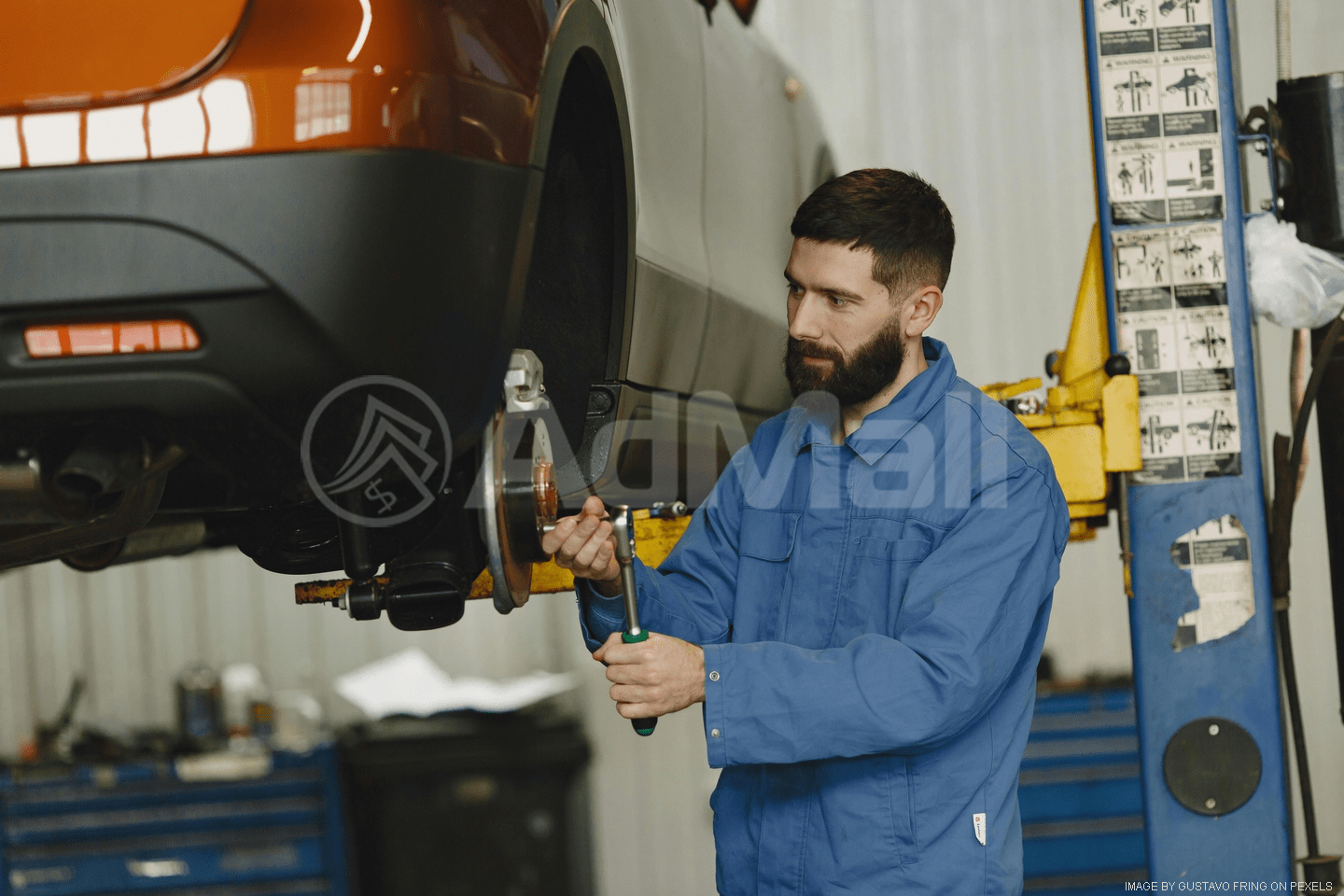
How much does service revenue contribute to the dealership’s bottom line? We previously highlighted the NADA report shows about 13.2% of revenue for new vehicle dealerships comes from service, parts and body part work. For the average dealer, that amounts to about $9.2 million. Your accounts might need an updated auto service marketing plan.
How does the service department impact loyalty?
DriveSure’s 2026 report takes the opinions of over 1,100 vehicle owners into account. Around 45% of customers who visit a dealership for service also plan to purchase their next vehicle from the same place. It’s critically important for dealerships to maintain and promote the quality of their service departments. Data from the forthcoming AudienceSCAN 2026 shows that the dealership service department is a top consideration for 21% of prospective buyers.
Keep in mind that 15% of potential vehicle purchasers will go so far as to buy a different brand if they’ve had a bad experience at the dealership. Quality of work and price are the top factors that influence where consumers take their vehicles for service.
What types of services do consumers want from dealerships?
Your auto dealer service departments can increase revenue by advertising the details that matter most to consumers. DriveSure’s analysts report that “higher complexity” issues bring in customers. Manufacturer-
Then there are the “routine” issues. Vehicle owners feel comfortable going to other providers for tire rotation/
Don’t let your accounts relax about losing business to their competitors. New data from Ducker Carlisle shows that dealerships are losing service business to quick lube shops, tire retailers and independent repair facilities.
Help your dealerships earn back market share by running a Digital Audit from AdMall. With this report, you can compare how their advertising compares to competitors. And then, you can recommend a better ad strategy.
What amenities are most important to consumers?
Factors other than service quality or price can drive somewhat loyal customers to seek vehicle service elsewhere:
- More convenient location 39%
- Referral/
recommendation from someone else 35% - Limited appointment availability 38%
Prepaid maintenance
With auto dealership service departments facing these challenges, DriveSure focused on a few key amenities. They believe that offering a prepaid maintenance package is one way to improve retention. To appeal to customers, the package would need to include a solid discount off regular prices. For example, 61% of vehicle owners age 34 or younger want a 20% discount.
In general, consumers say the following services included as part of the package would increase the appeal:
- Oil change 73%
- Tire rotation 60%
- Windshield wiper replacement 42%
Consumers, of course, appreciate little amenities like a comfortable waiting area and text message updates on how the service is progressing on their vehicle. But, in this era of high inflation and concern about price, their loyalty can’t be easily bought.
They say the following services should be offered in a prepaid maintenance package:
- Free tire replacement when damaged by road hazards 60%
- Free roadside assistance 55%
- Free powertrain warranty 54%
Not every dealership service department can afford to offer these amenities. But they should review their offerings and their messaging.
What can dealer service departments advertise to drive business?
58% of new car/
Currently, around 80% of vehicle owners say their dealership communicates by email or text message. Not surprisingly, over 70% of all consumers want a text message when their vehicle is being serviced. Around 83% of consumers who are age 34 and younger prefer receiving texts.
However, it’s the communication between service visits that matters more. This is the chance for your accounts to make a big impression. They can promote a new service or a limited-
Is there anything your auto dealership service teams can do to strengthen bonds with customers?
Marketing communications can tie into causes and charities that customers care about. For example, around 30% of new vehicle buyers regularly support homelessness/
All too often, auto service marketing is not the first priority for a dealership. Share this information with your dealership accounts. Help them develop a campaign that boosts revenue and loyalty for the long term.
Image by Gustavo Fring on Pexels.

Fact Checked & Editorial Guidelines
Our Fact Checking Process
We prioritize accuracy and integrity in our content. Here's how we maintain high standards:
- Expert Review: All articles are reviewed by subject matter experts.
- Source Validation: Information is backed by credible, up-
to- date sources. - Transparency: We clearly cite references and disclose potential conflicts.
Reviewed by: Subject Matter Experts
Our Review Board
Our content is carefully reviewed by experienced professionals to ensure accuracy and relevance.
- Qualified Experts: Each article is assessed by specialists with field-
specific knowledge. - Up-
to- date Insights: We incorporate the latest research, trends, and standards. - Commitment to Quality: Reviewers ensure clarity, correctness, and completeness.
Look for the expert-