BY Jessica Helinski
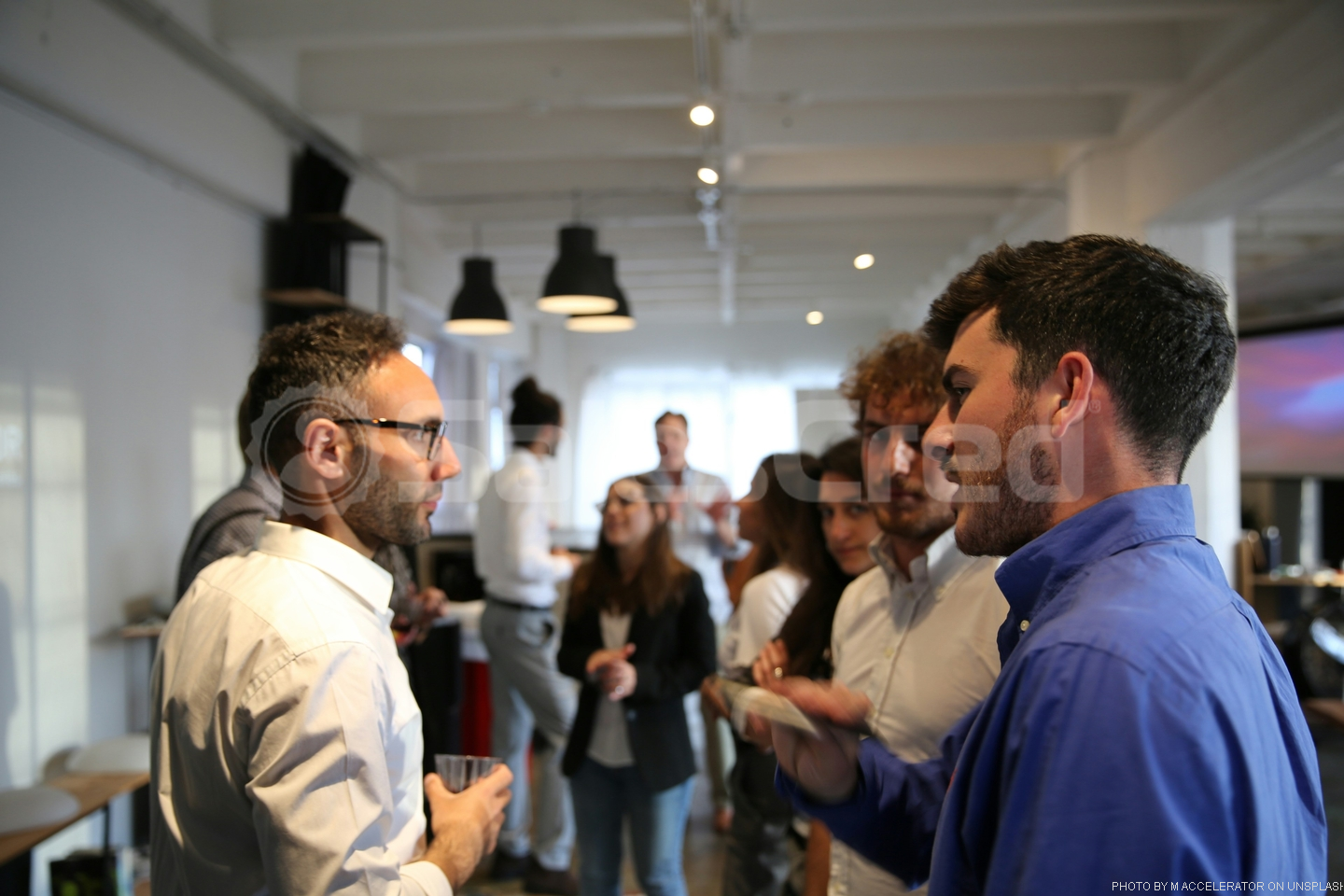
Have you made it a priority to attend networking events? If not, you may be missing plentiful opportunities for leads, new insights and valuable connections.
What are the benefits of networking events for sales reps?
“B2B networking opens doors to key opportunities that can lead to meaningful collaborations, new business leads and more,” according to the experts at CMIT Solutions.
Interact in real time
Rather than playing email or phone tag, reps can engage with potential prospects and industry leaders on the spot. This makes for more quality discussions that aren’t disjointed or delayed by waiting for a response.
Build trust and rapport
This is a key advantage for sellers because face-to-face interaction helps establish credibility faster, strengthens emotional connection, and makes it easier for prospects to move from interest to commitment.
Demonstrate expertise
Reps are able to answer detailed questions immediately, have more in-depth conversations, and position themselves as trusted advisors by demonstrating their knowledge while also instantly building credibility.
Expand reach
Attending networking events benefits sellers by creating organic introductions, partnerships, and referrals that extend beyond the event itself, increasing visibility in new markets and generating ongoing sales opportunities.
How can you get the most from networking events?
It’s a mistake to think that simply showing up to a conference or industry happy hour is all you need to do. Thoughtful prep is necessary, and while it does take some effort, the payoff will be worth it.
Identify goals
Small Business Expo CEO and Founder Zach Lezberg recommends clearly defining your goals for the event, i.e., ask yourself why you are going and what you hope to accomplish.
He shares a few common reasons for attendance and relevant goals to consider:
- Customer acquisition: Define how many new clients you want and who your ideal prospects are.
- Strategic collaborations: Identify potential partners or champions that could support growth.
- Supplier discovery: Use events to find new vendors and improve operations or reduce costs.
- Market feedback and research: Test ideas and gather real-time input on products or services.
- Talent acquisition: Connect with potential hires or experts to support your team or strategy.
Remember that these goals will vary by event as each one is unique and requires its own specific approach.
Research
Once you’ve identified your goals for the networking event you’re attending, it’s time to gather insights into specifics. As Lezberg points out, this plan helps you learn all the details so you can optimize your approach. Insights to look for include:
- Attendee lists and networking opportunities to identify prospects and other valuable contacts before the event.
- A clear value proposition or elevator pitch to help communicate your value quickly and effectively.
- Opportunities for meaningful conversations and feedback to uncover customer needs, industry challenges and potential sales opportunities.
- Meeting scheduling and other tools to ensure time is spent with high-priority contacts and prospects.
- Event apps and networking resources to streamline planning, manage schedules and facilitate connections with attendees.
Show up with intention and be flexible
Once you’re at the event, be prepared for things to not go exactly as planned. Leave some room to be flexible with your plans. And be open to new opportunities or experiences that may unexpectedly come your way. Don’t put too much pressure on yourself.
As SalesFuel’s Tim Londergan writes, “Let go of unrealistic expectations requiring you to shine at every moment.”
“Focus instead on being kind and warm,” he adds.
“Your goal is to simply connect with someone. Resolve to make the most of the event and know that you CAN handle it.”
Don’t forget post-event best practices
Once the event is over, more work begins to make sure you maximize your outcomes. Depending on the event’s goals, you may need to organize and prioritize leads. Or you might have to prep for calls that were scheduled during the event.
No matter the to-dos, always send follow-ups to those contacts that you engaged with. As SalesFuel suggests, be thoughtful about your outreach method, whether it’s a handwritten thank-you note or a more informal LinkedIn message.
Always remind them of your meeting, and then offer something helpful or valuable, preferably based on a conversation you had with them, as well as a call to action.
The next event on your calendar could be more than a networking opportunity; it could be the start of your next customer relationship, referral partnership or big sale. The key is to leverage each event through a thoughtful and planned approach.
Photo by M ACCELERATOR on Unsplash