BY Kathy Crosett
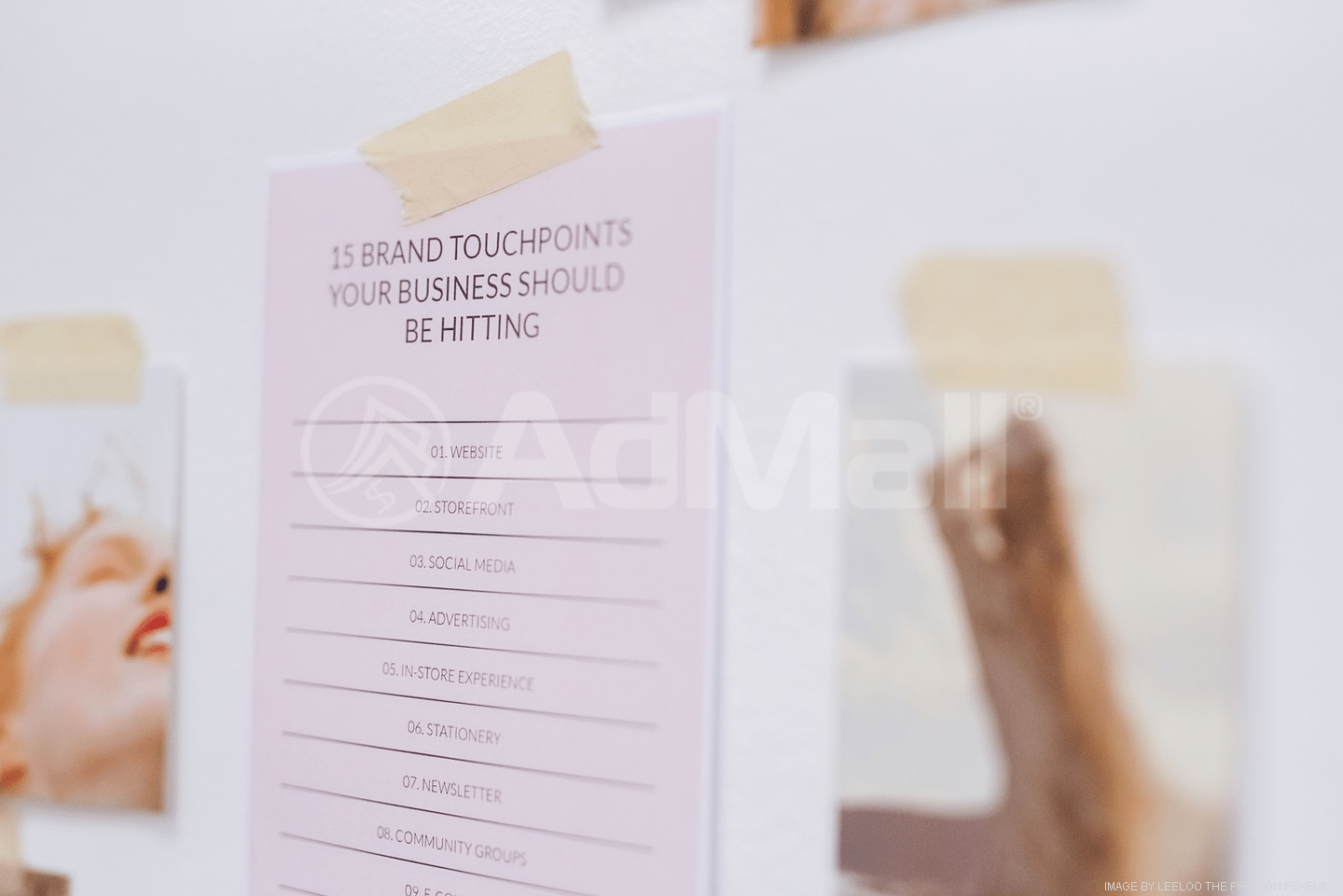
Do your accounts know how to build brand loyalty? Many factors play into how loyal consumers feel to a brand. Those factors vary depending on the type of product consumers are planning to buy, according to new research from CivicScience. For example, AudienceSCAN from AdMall reports that around 20% of new vehicle purchase intenders call themselves loyal to a specific automaker. But there’s much to consider about how brand loyalty can be influenced.
How do consumers decide which brand to buy?
WPP Media’s new study “How Humans Decide” delves into this topic. And it does so through the lens of media influence. In this case, analysts considered “earned, shared, owned and paid (ESOP) channels.”
As your accounts consider where to invest their ad budgets, analysts report that over 80% of purchase are done by people who are brand loyalists. To increase the size of their audience, your accounts must expand their reach.
Analysts also contend that “paid media builds brand.” But that’s not enough. To build brand loyalty, your accounts must fully understand the consumer mindset.
As we’ve noted before, not every consumer is ready to purchase the same product at the same time.
How can marketers influence purchase decisions?
Marketers have a chance, mid-
Why? Because they can shape purchase attitudes during the “priming stage.” This means making consumers familiar with a brand when they are not in the market to buy anything. And it can be an important step as your clients seek to build brand loyalty.
How does product category tie to branding?
Influencing potential buyers varies by product category. 88% of consumers can be “primed” to have a brand bias in the soft drinks category. For luxury products, the percentage is 79%. If your accounts are selling luxury products, they will have to work harder with their branding efforts to win new customers.
How does a brand accomplish the task of converting consumers?
WPP Media shows that owned, shared and earned media can have a bigger impact than paid media in the priming stage. Online ads can convert 17% of “primed” consumers while positive reviews can convert 36%. Word-
What do we know about brand loyalists?
CivicScience analysts believe there are behavioral loyalists. They buy products because they have formed a habit. Behavioral loyalty is built up through performance marketing.
But attitudinal loyalty is different. These consumers truly love a product or service.
Your accounts must win over attitudinal loyalists. They spend more money. They tell others about new products and favorite products. And they write more positive reviews.
How do automotive brand loyalists behave?
Automotive brand loyalists, according to AudienceSCAN, are 55% more likely than other consumers to write a positive review. These activities increase influence and revenue for automakers and auto dealers. Businesses in the automotive vertical should work hard to connect with these consumers.
In addition, CivicScience’s study of automotive loyalists indicates these consumers may be better off financially than other consumer groups. Nearly half stay informed about the economy. And they are less likely than average to be concerned about the cost of household products or to think it’s a bad time to make a major purchase. These details play a role in the type of marketing that will convert these consumers.
What is the mindset of brand loyalists?
On a macro level, analysts report that brand loyalists now tend to be younger than in the past. Since 2020, higher numbers of younger consumers are loyalists but the same is not true of older consumers. Many of these younger consumers feel optimistic and track general economic conditions. Price is not the key driver for them.
The power of social media allows the younger consumers to exhibit social signaling. This format is another way to build brand loyalty. In categories such as food, apparel and electronics, heavy brand loyalists report that social media influence impacts their decisions.
Closing thoughts
To build brand loyalty, your accounts must focus on their marketplace presence. Regular advertising creates familiarity with the brand. Consumers will remember the name when they enter the marketplace to make their purchases. In addition, brands can enhance their position by connecting with younger loyalists on social media.